AlertCognition.com
Another domain by PlayfulSenior.com
A Treasury of Intelligence Is Already Here (Use Your Brain This Way)
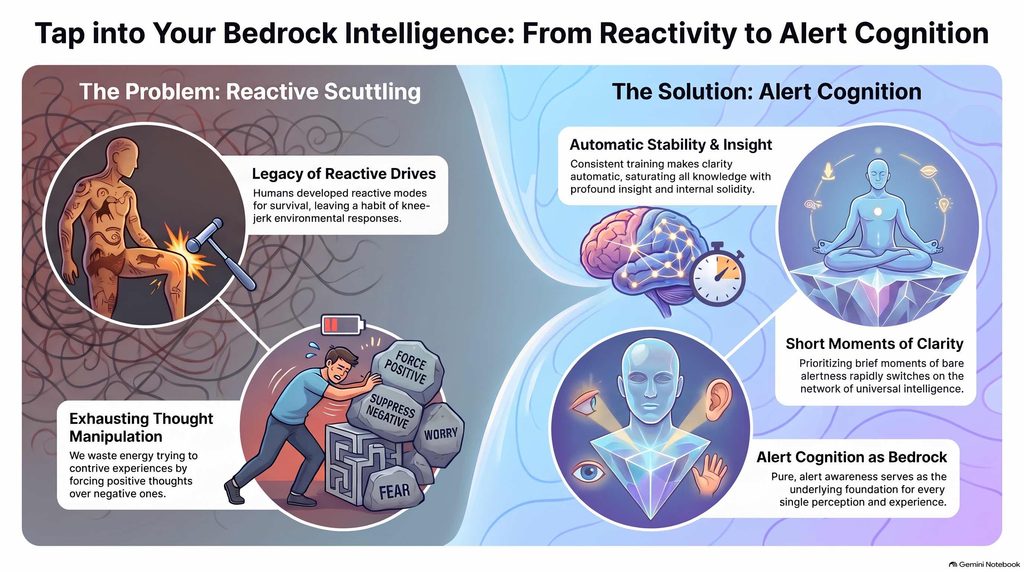
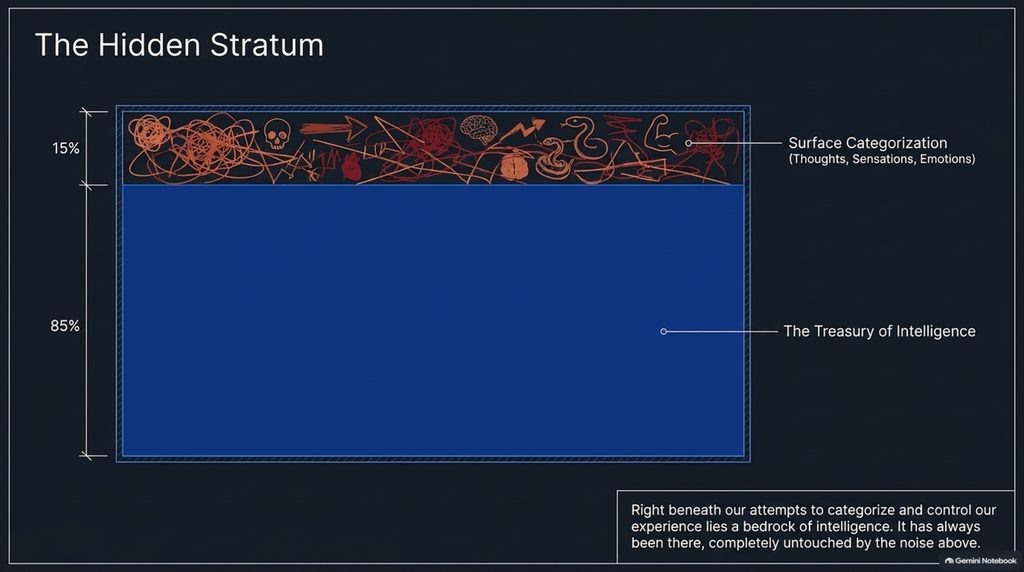
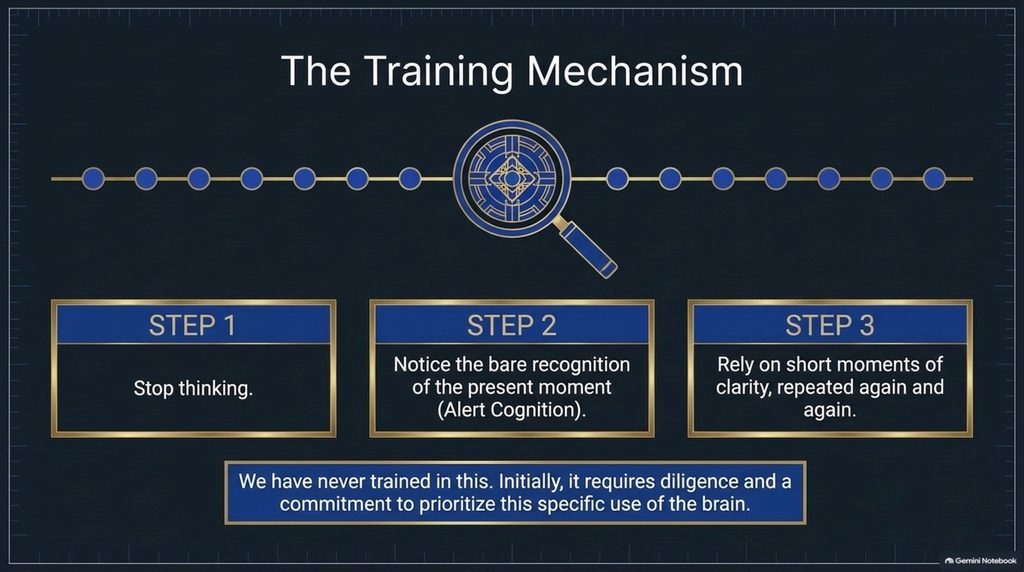
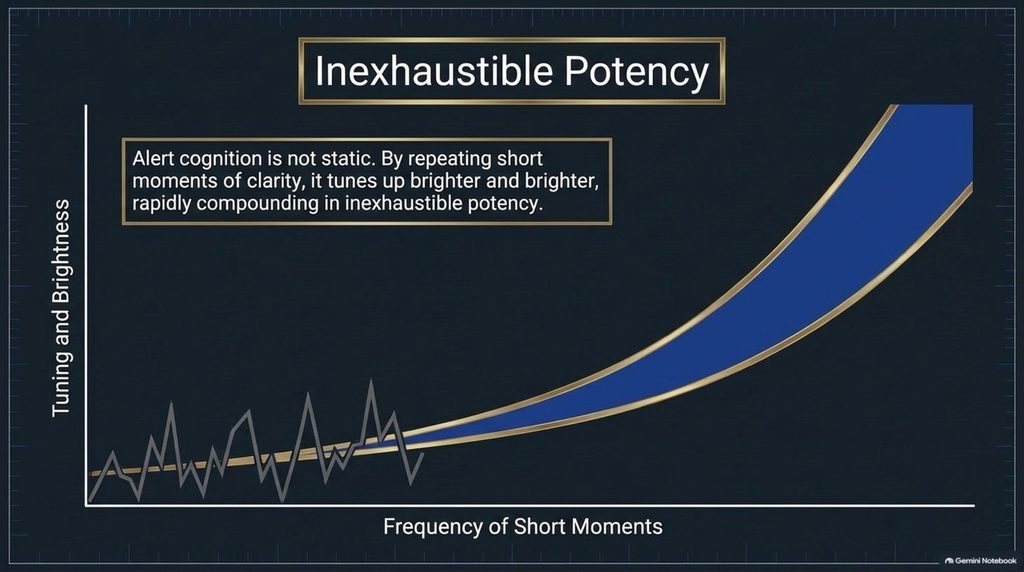
In this talk, Candice O’Denver points to something we’ve never trained in, even though it’s the basis of everything we know and do: our own power to know, right here, right now. For millions of years we’ve scuttled from one thought, emotion or sensation to the next, trying to have less of one and more of another. What changes when we stop doing that and simply rest as awareness? A few short moments of clarity, repeated, and it quickly becomes automatic.
Concise Summary (getrecall.ai)
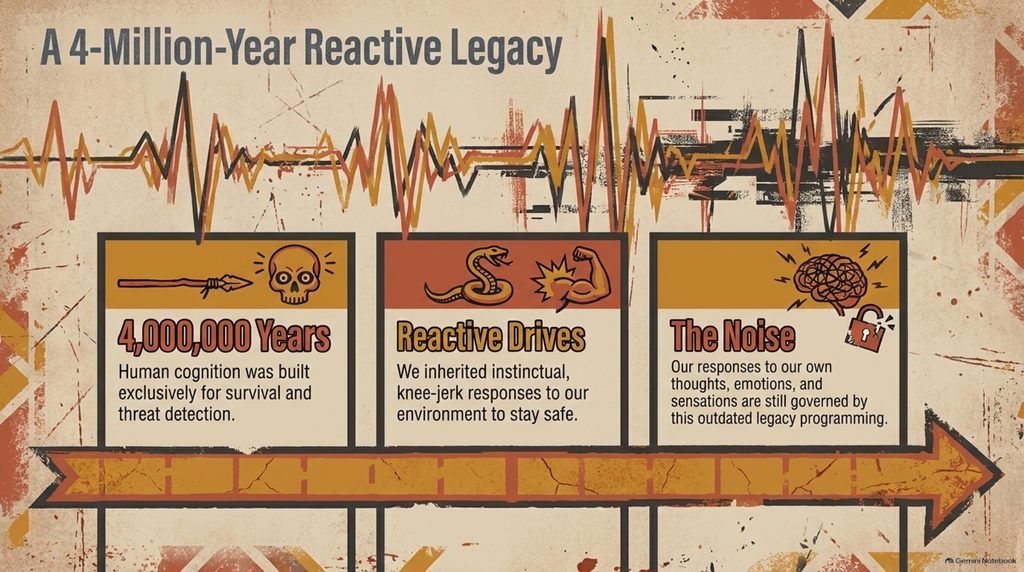
Ancient Survival Drives and Reactive Thinking 00:01
- Human beings have developed various ways of thinking and acting over approximately 4 million years, largely driven by reactive survival instincts 00:01
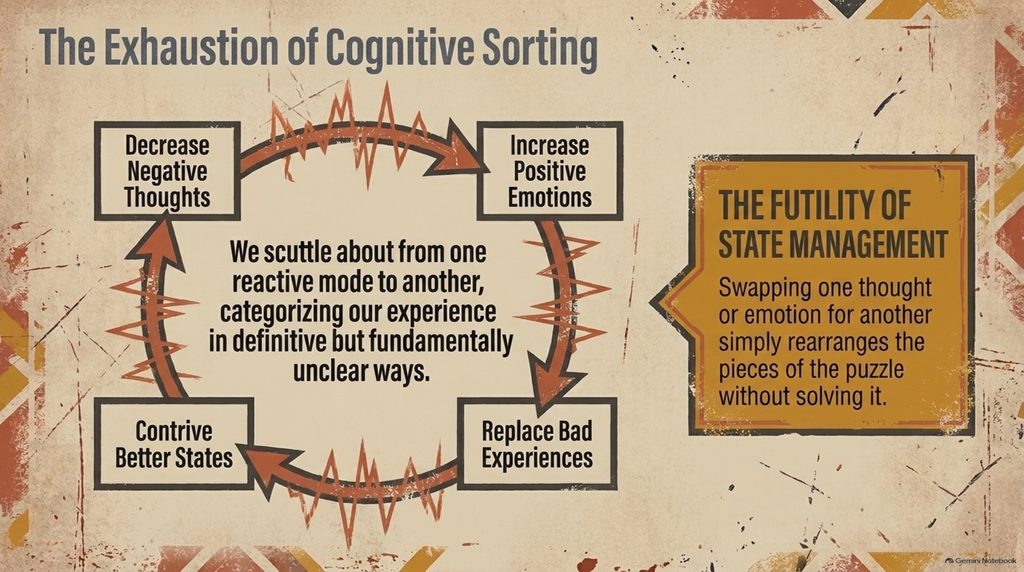
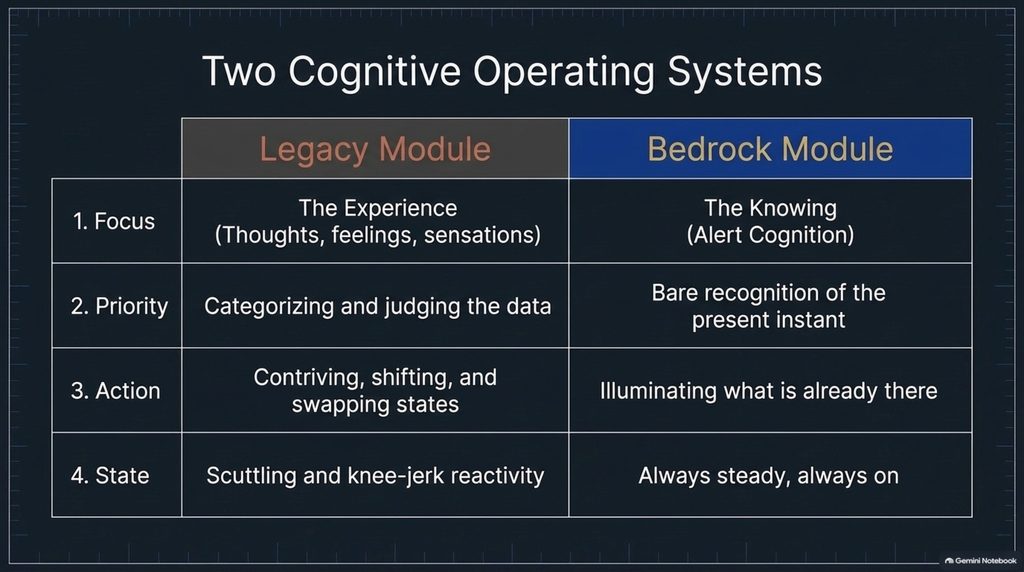
- Current mental habits involve constantly shifting between reactive modes, such as managing specific thoughts, emotions, and sensations, without a clear understanding of the process 01:28
Limitations of Managing Thoughts and Emotions 01:57
- Attempts to improve personal experience by replacing negative thoughts and emotions with positive ones often fail to address the underlying nature of intelligence 01:57
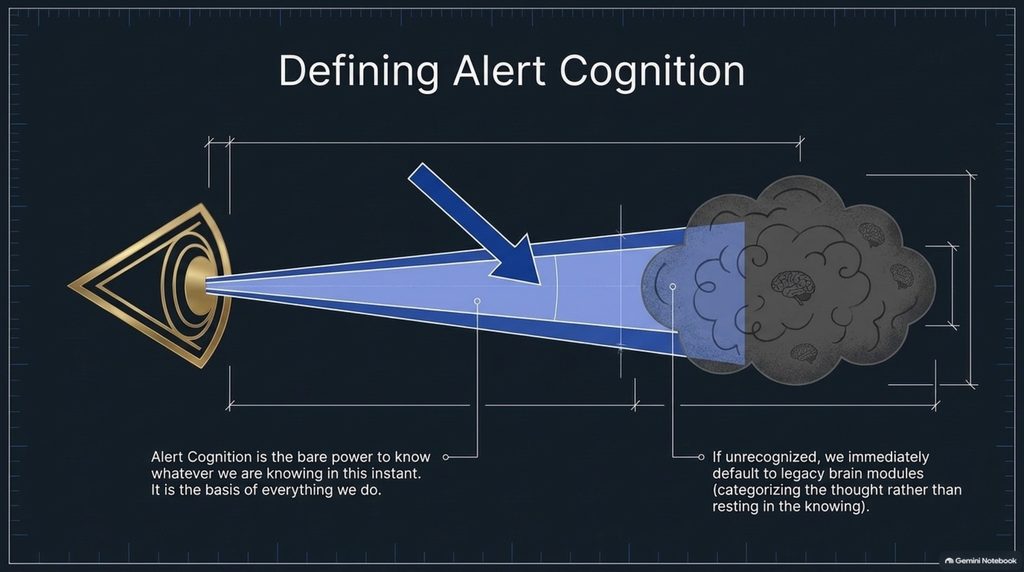
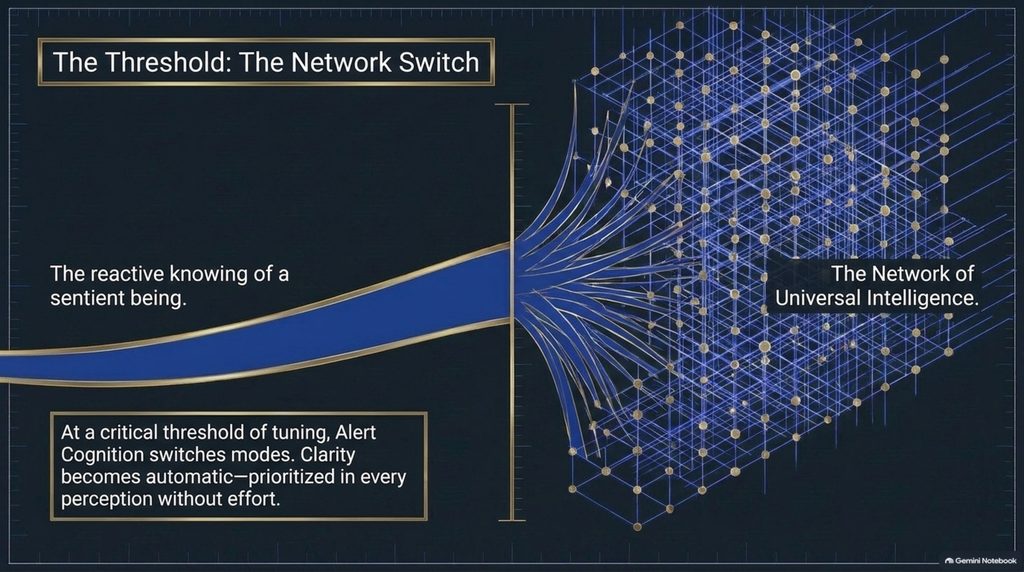
- Rather than rearranging the contents of the mind, there is a foundational resource available called alert cognition, which is the power to know whatever is being experienced in the present moment 02:25
Alert Cognition as Foundational Intelligence 02:50
- Alert cognition serves as the basis for all human activity, yet it is frequently overlooked in favor of secondary brain modules like thoughts and sensations 02:50
- While initially recognized as a simple state of awareness, alert cognition can be trained to become increasingly potent and bright 03:37
Accessing Universal Intelligence Through Clarity 03:58
- By repeatedly engaging in short moments of clarity, alert cognition transitions from a reactive state into a connection with a universal network of intelligence 03:58
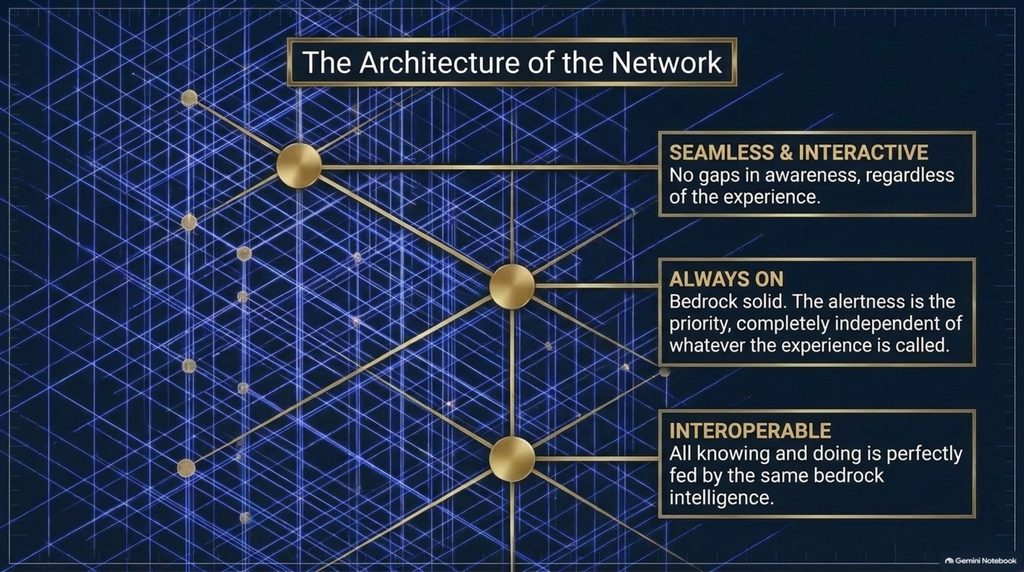
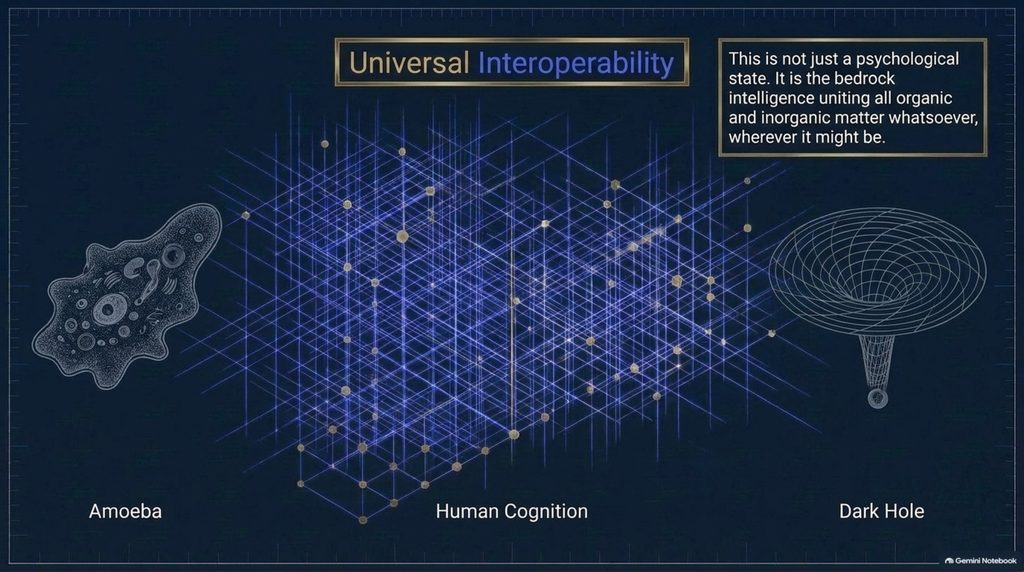
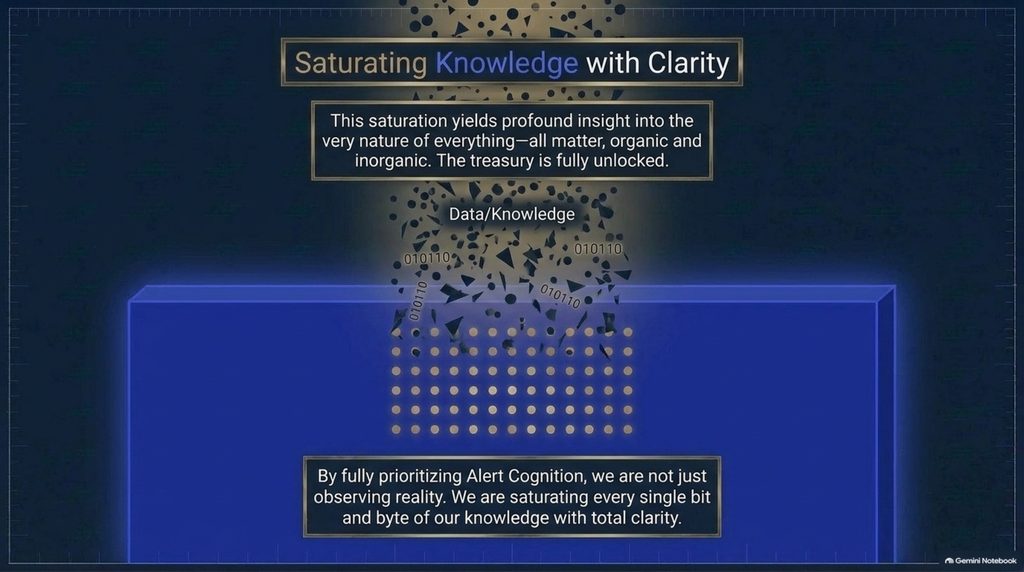
- This bedrock intelligence is described as an always-on, seamless, and interoperable network that underlies all organic and inorganic matter 05:03
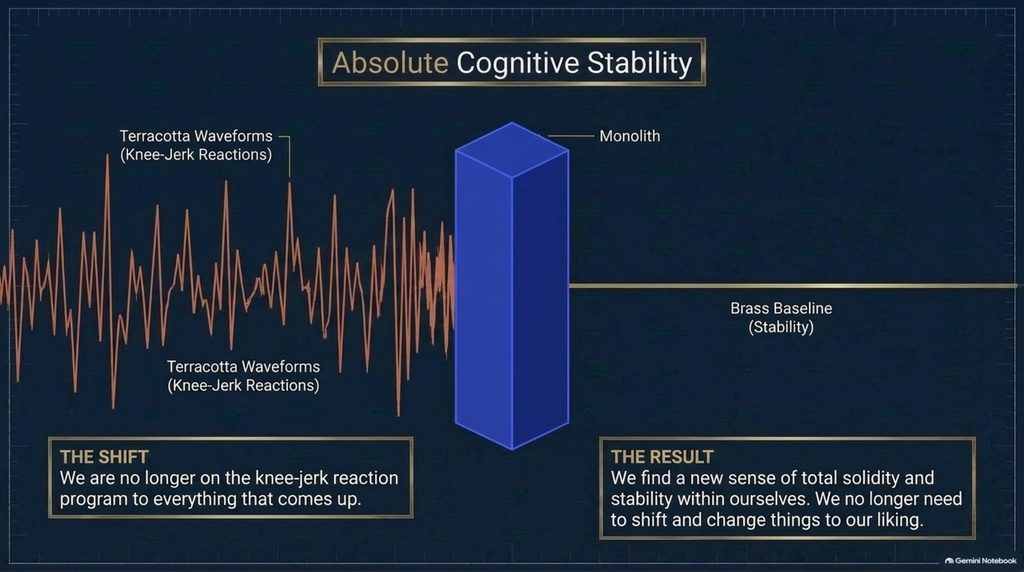
- Prioritizing alertness over specific perceptions allows individuals to move away from the constant need to react to or manipulate their environment 04:31
Achieving Stability Through Consistent Training 05:59
- Focusing entirely on tuning up clarity provides a sense of internal solidity and stability that is independent of external circumstances 05:59
- Although initial training requires diligence, the process eventually leads to saturating all knowledge with profound insight into the nature of everything
The following ancient words point to the same placeless place, the ground of being, the rock of my salvation, the impersonal sense of being:
“Keep your mind stayed on God”
“In me you have peace,
in the world you have tribulations.”
“Be not ye therefore like unto them: for your Father knoweth what things ye have need of, before ye ask him.”
“Where can I go from your Spirit?
Where can I flee from your presence?”
…and, to know rather consists in opening out a way whence the imprisoned splendour may escape, than in effecting entry for a light supposed to be without.
Robert Browning,
from his poem Paracelsus
Alert Cognition?
“Alert Cognition” isn’t a term I recognize as a single established concept, so I’d rather ask than guess. A few possibilities:
- Alertness / vigilance in psychology: the cognitive state of being awake, attentive, and ready to respond to stimuli. It’s tied to sustained attention and arousal.
- Alert (conscious) awareness in a nondual or contemplative context, like “alert awareness” versus drowsy or dull states.
- A product, app, or brand name I don’t know.
- Alert cognition in a technical setting, such as an AI or monitoring system that flags something and reasons about it.
- A typo or fragment of something longer, such as a note or a title.
Which did you mean? If it’s from a document, a note, or something someone said, paste a bit of the surrounding context and I can be more useful.
The first two.
Claude.ai:
Those two actually connect nicely, so here’s how they fit together.
Alertness in psychology
Researchers usually break attention and alertness into three systems (Posner and Petersen’s model is the classic one):
- Tonic alertness is your baseline wakefulness, which drifts over the day with circadian rhythm, sleep debt, and arousal.
- Phasic alertness is the short burst of readiness after a warning cue, like the “ready, set…” before “go.”
- Sustained attention (vigilance) is the ability to stay alert over time, usually on something monotonous. It reliably declines within 15 to 30 minutes on boring tasks.
Alertness is the foundation, since orienting and focused attention don’t work well without it. Too little (drowsy) and processing slows and errors rise. Too much (anxious, overstimulated) and attention narrows and gets jittery. The Yerkes-Dodson idea is that performance peaks at a moderate level of arousal, and the sweet spot is lower for complex tasks.
Alert awareness in the contemplative sense
Meditation traditions separate relaxation from dullness. Many Buddhist and nondual teachers describe the ideal as relaxed but alert: open and unforced, but not fading into fog or zoning out. In Buddhist terms, sinking or dullness (laya) and agitation or restlessness (auddhatya) are the two classic obstacles, and alertness is what keeps you from sliding into either. In nondual language, it’s the quality of awareness being awake to itself, not just calm.
Where they meet
Both point at the same balance: wakeful without being tense. Cognitive science measures it through reaction times, errors, and arousal levels, while contemplative practice trains and describes it from the inside. Some research on mindfulness suggests practice can improve sustained attention and reduce vigilance decline, though the effect sizes are modest and the field is still debated.
If you tell me what you’re after, whether that’s studying it, practicing it, or writing about it, I can go deeper in that direction.
Cognition?
Claude.ai:
Cognition is the set of mental processes by which a mind takes in information, makes sense of it, and acts on it. The word comes from the Latin cognoscere, “to come to know.”
What it includes
- Perception: interpreting sensory input (seeing a face, hearing a word)
- Attention: selecting what to focus on and filtering out the rest
- Memory: encoding, storing, and retrieving information, both short-term (working memory) and long-term
- Language: understanding and producing meaning
- Reasoning and problem solving: drawing inferences, planning, deciding
- Learning: updating how you think or act based on experience
- Executive function: the control layer that coordinates the rest, including goals, inhibition, and flexibility
How it’s studied
Cognitive psychology treats the mind roughly as an information-processing system. Neuroscience looks at which brain networks support each function. Linguistics and AI contribute models of how such processing could work. A newer strand, embodied cognition, argues that thinking is shaped by the body and environment, not just the brain.
Link to what we were just discussing
Alertness is the foundation layer. Without it, attention, memory, and reasoning all degrade. Contemplative traditions add a twist: they often point to awareness itself as something prior to, or more basic than, the thoughts cognition produces.
Is this part of a bigger question you’re working on? I can narrow in on any of these, such as memory, attention, or how cognition relates to consciousness.